
Demand Response (DR)
Customers are incentivized to reduce or shift their electricity use when the grid is under stress — like hot afternoons when air conditioning drives peak demand.
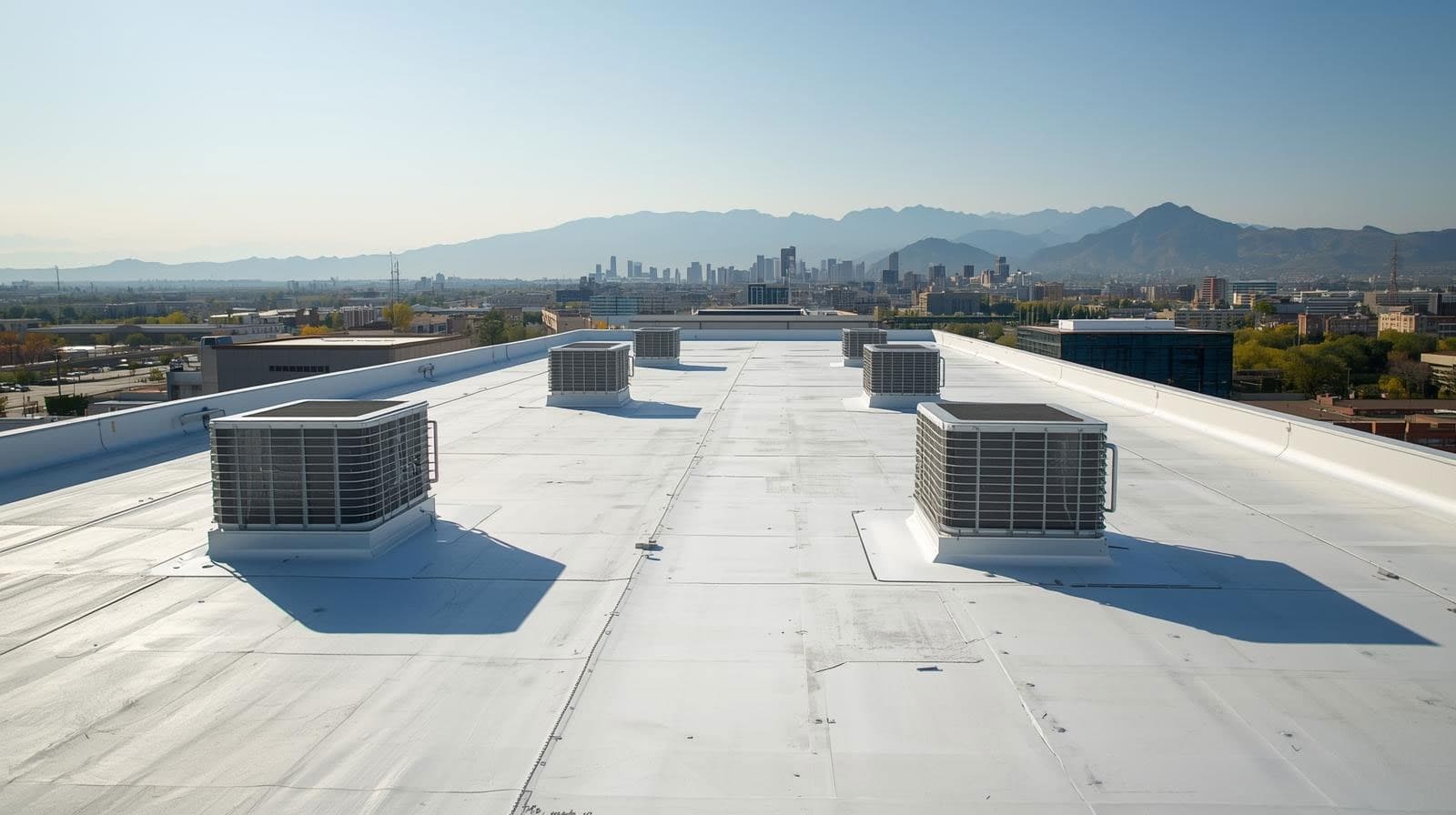
Our Technology
Our technology is changing the HVAC industry — with guaranteed energy savings, plug-and-play architecture, and real-time monitoring.
Key Highlights
Smart Grids
The U.S. electric grid is evolving from a one-way power delivery system into a smart, interactive network. With the rise of smart meters, connected devices, and digital controls, utilities can now adjust electricity demand in real time.
Customers are incentivized to reduce or shift their electricity use when the grid is under stress — like hot afternoons when air conditioning drives peak demand.
Utilities use time-of-use and critical peak rates to reflect the true cost of electricity during high-demand hours, encouraging customers to move usage to off-peak times.
These programs improve grid reliability, cut greenhouse gas emissions by reducing the need for expensive peaker plants, and help customers save on energy bills.
Pricing
Electricity costs vary by time of day. Peak hours (late afternoon/evening) are more expensive; off-peak (overnight or midday) is cheaper. Encourages shifting usage to low-demand hours.
On high-demand days, utilities declare “critical events.” Prices can spike 2–10× higher during a few hours — a strong incentive to cut back when the grid is stressed.
Prices fluctuate hourly (or sub-hourly) based on wholesale market conditions. Mostly applied to large commercial or industrial customers — flexible, but requires active monitoring or automation.
Utilities remotely cycle specific customer equipment (HVAC, water heaters, EV chargers). Customers receive bill credits or payments in exchange. Often automated and easy to participate in.
Carbon Reduction
In today's energy-savings environment, carbon reduction can significantly boost your company's compliance and savings efforts. Gridwise directly reports carbon reduction from our systems.
National Trends
Direct Load Control
When utilities cycle or curtail equipment like HVAC units, water heaters, or EV chargers during peak demand, they reduce the need to turn on fossil-fuel “peaker plants” — often the most carbon-intensive generators on the grid.
By shifting or lowering demand, DLC allows more of the system's electricity to be served by cleaner, base-load or renewable resources already on the grid.
Widespread participation effectively flattens peak loads, which can delay or avoid the need for new fossil-based infrastructure.
DLC not only saves money and keeps the grid reliable, but it also creates measurable carbon benefits that can unlock carbon incentives or credits for both utilities and participating customers.
The Solution
Smart Grid
Guaranteed 20% savings — customers typically see 30–35%.
Seamless integration, zero downtime, cloud reporting, 24/7 monitoring.
Reduces kWh reliance, lowers emissions, and avoids peak plants.
Guarantee
Gridwise positions itself as a trusted cost-savings partner driving bottom-line savings for every deployment.
Next Steps
The Gridwise team will put together a full cost-savings evaluation and project demo installation to prove, in real time, the cost savings you'll be able to deploy across your assets.